One of the greatest joys of cycling is that it slows you down just enough to notice the things everyone else drives right past.
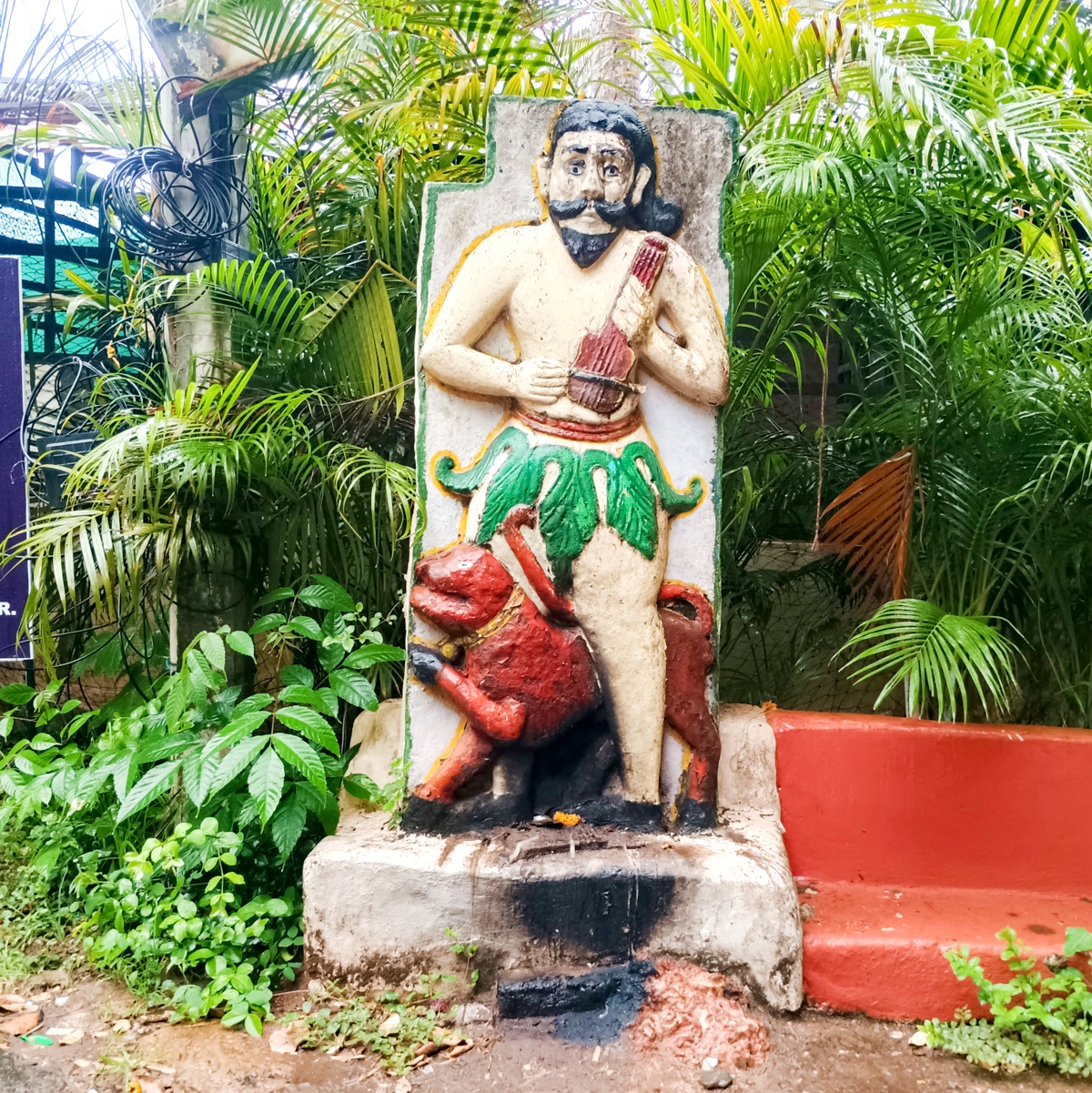
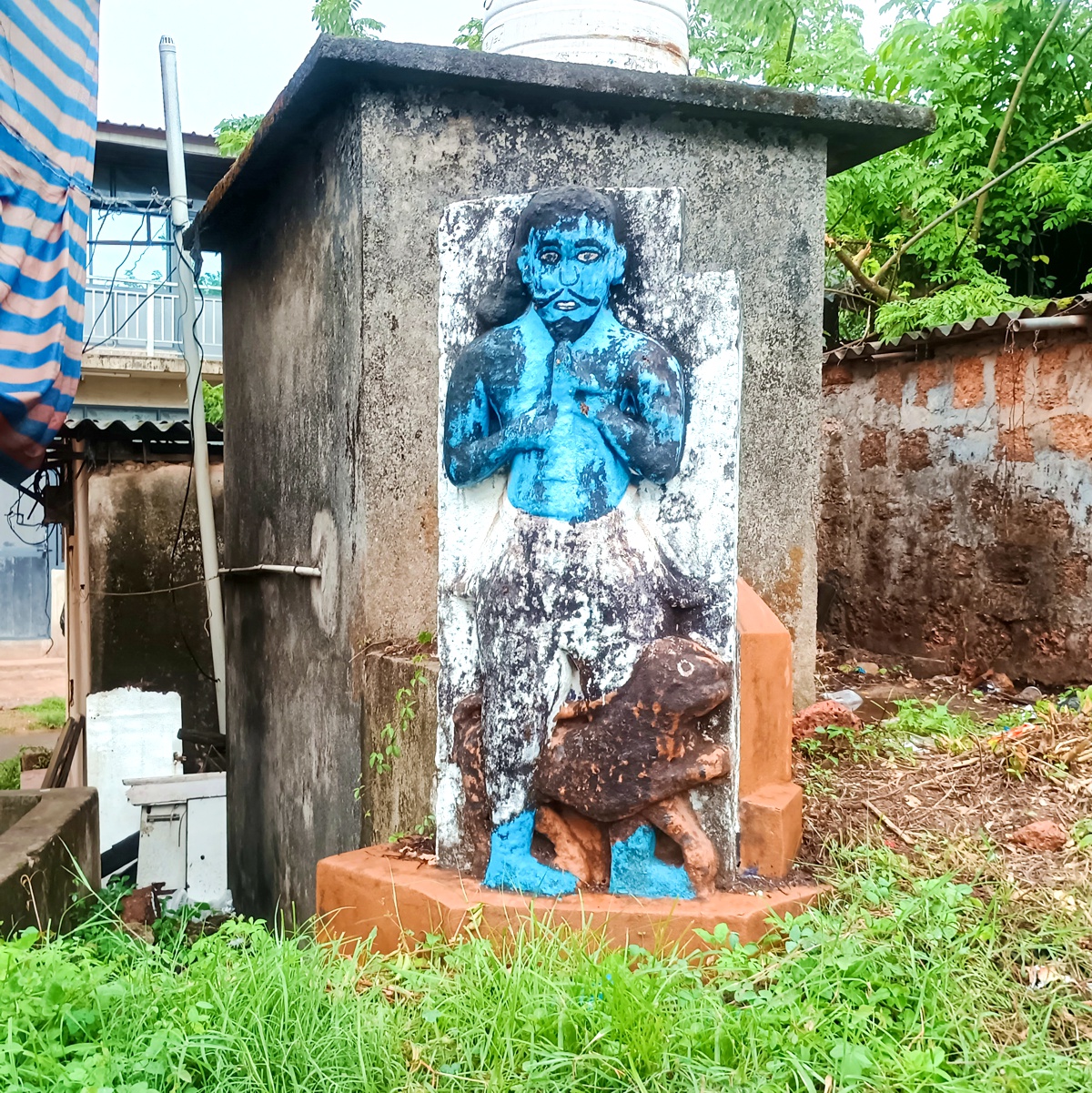
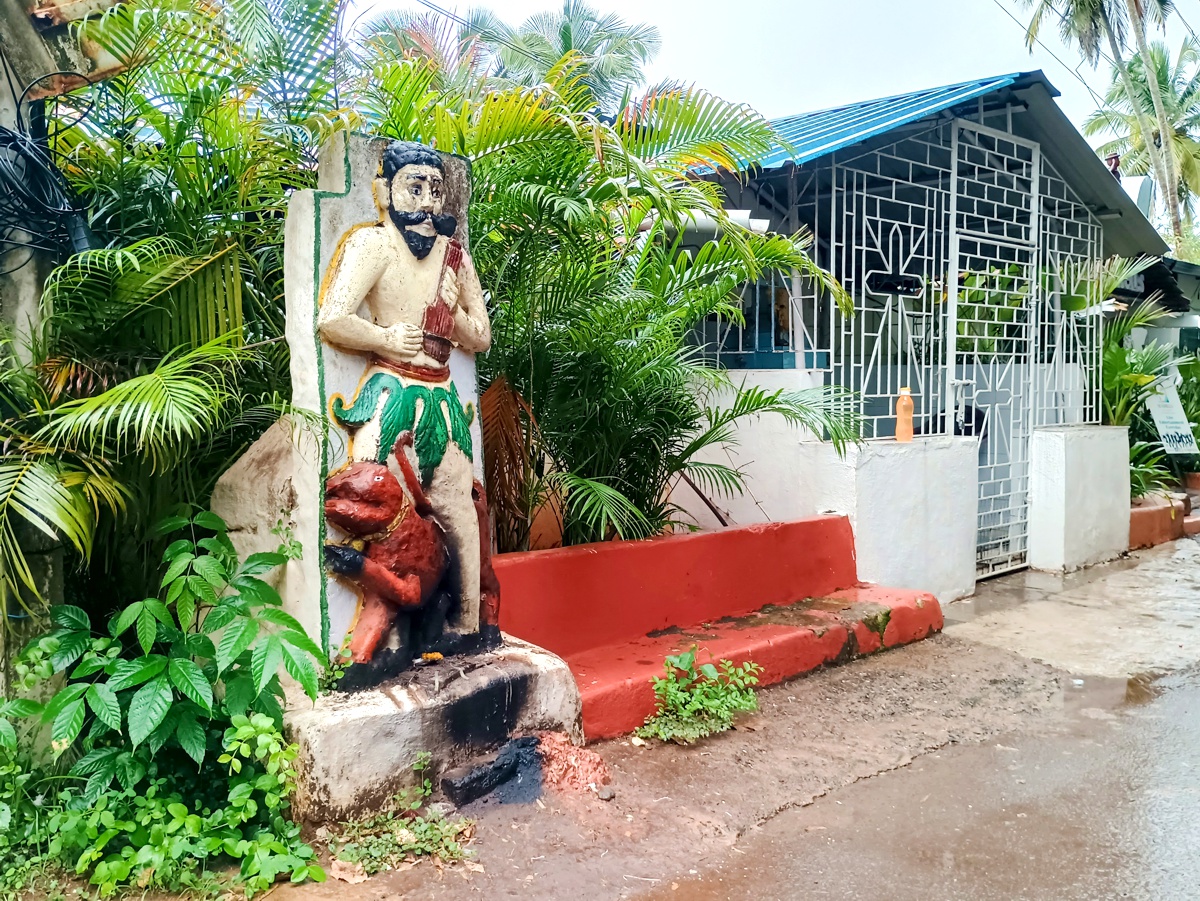
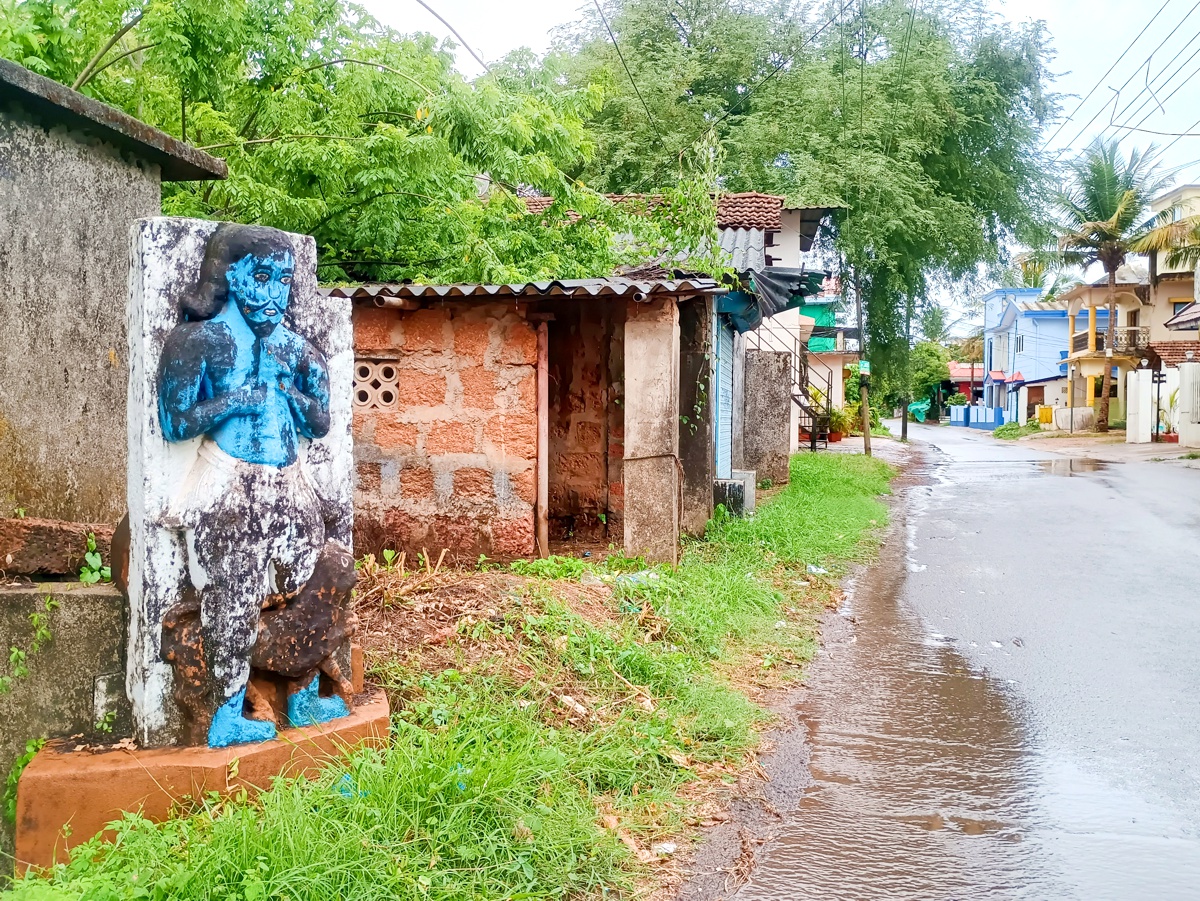
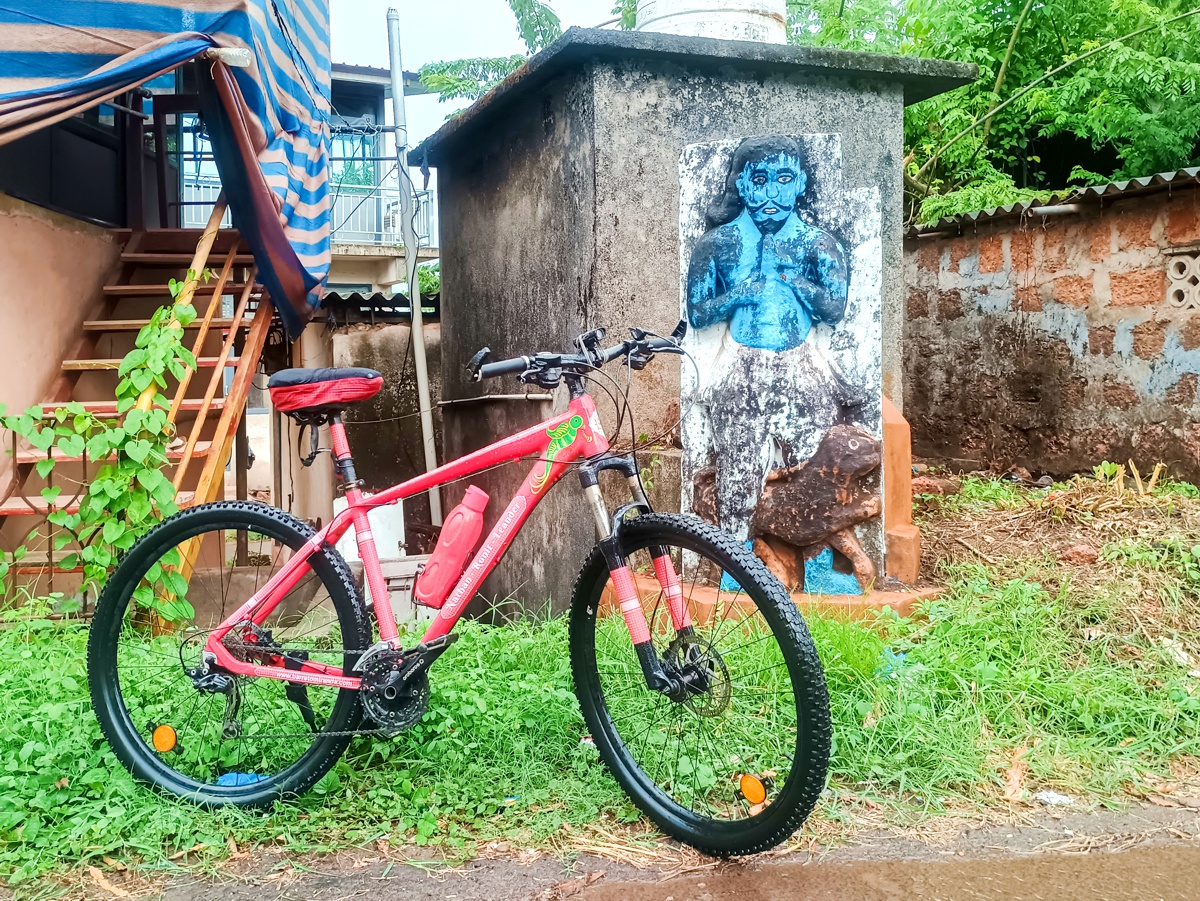
On a recent ride to the historic 17th-century shrine perched atop the Siridao hillock, I stumbled upon something entirely unexpected: a weathered, four-foot-tall stone statue of a bearded, bare-chested man serenely playing a flute.
Intrigued, I struck up a conversation with some locals about the unusual sculpture. They casually mentioned that it wasn’t the only one; in fact, three such statues were scattered across the village. What had begun as an ordinary ride on World Music Day suddenly turned into a historical treasure hunt.
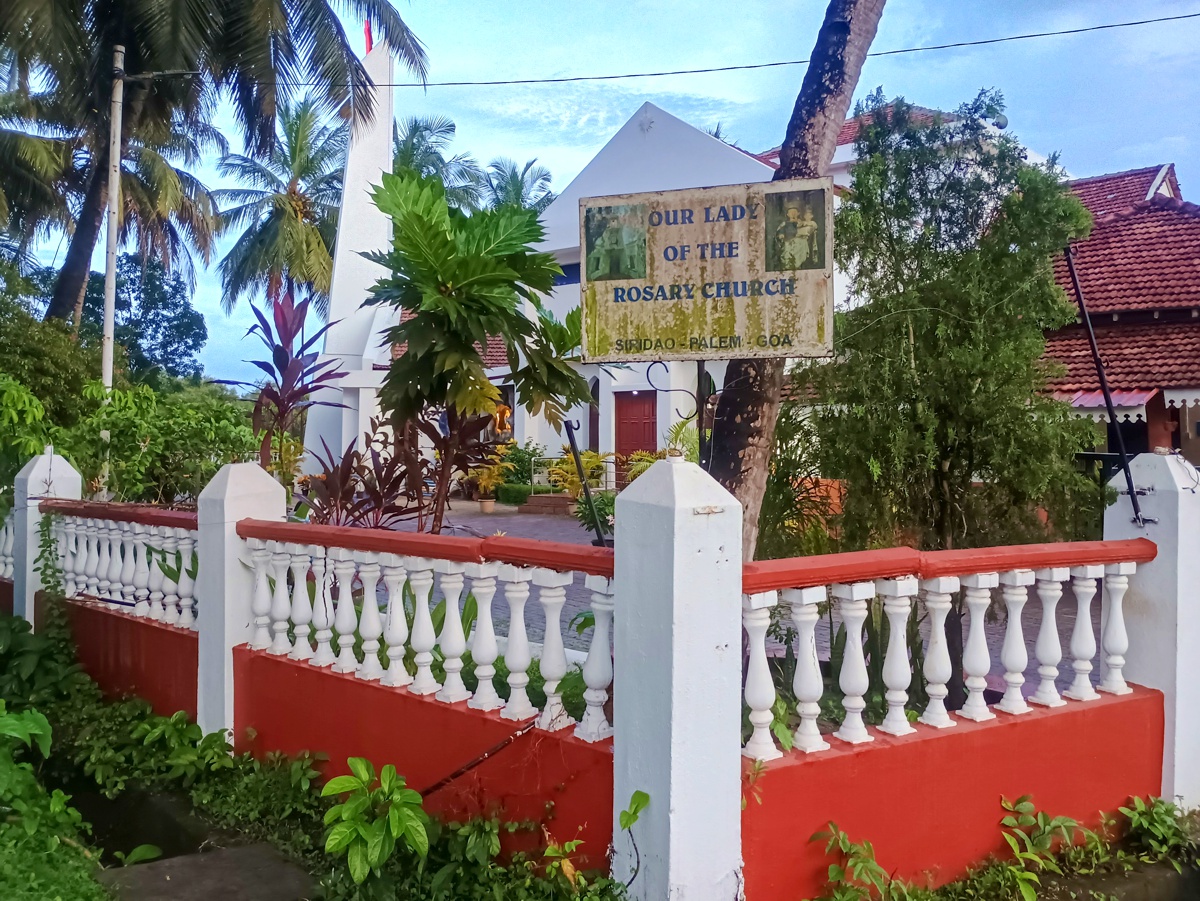
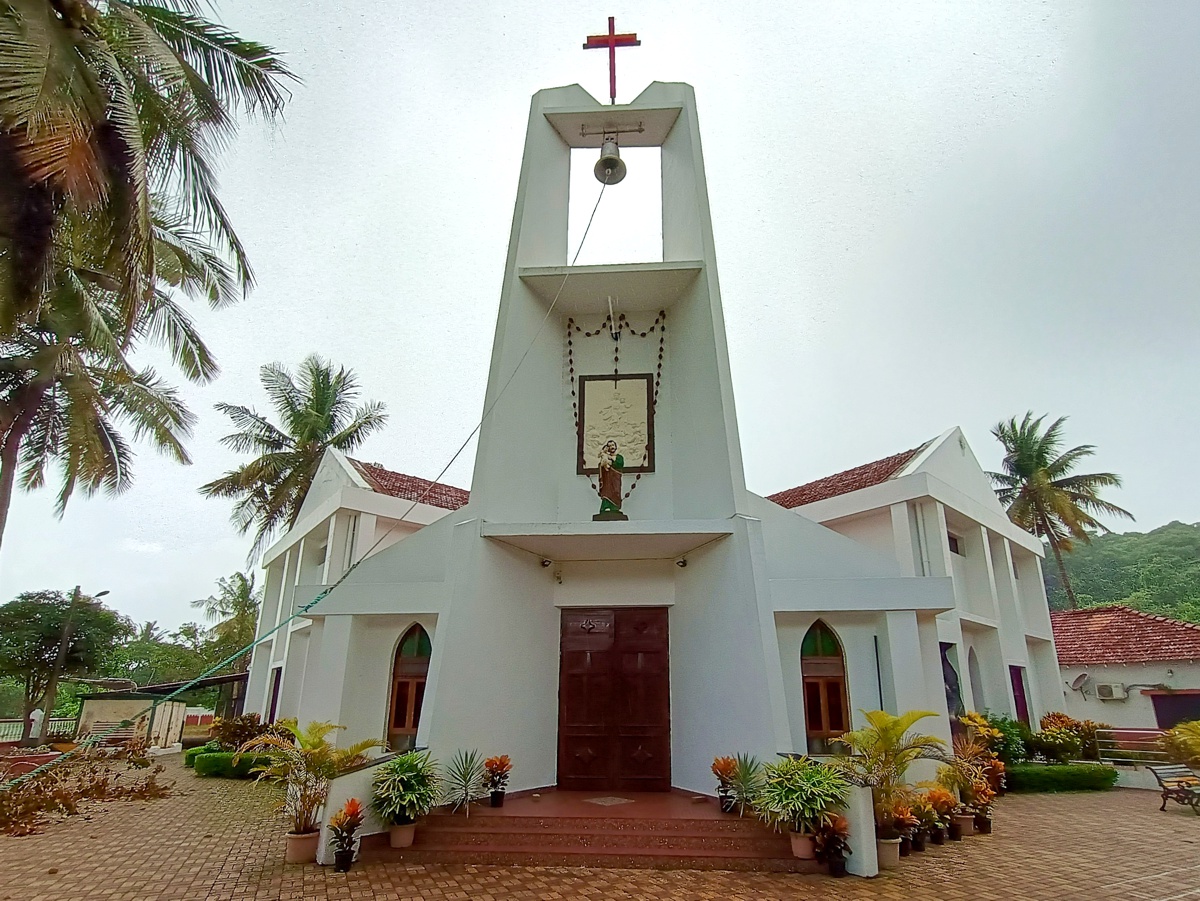
I got back on my saddle and set off in search of the remaining two.
The Roadside Treasure Hunt
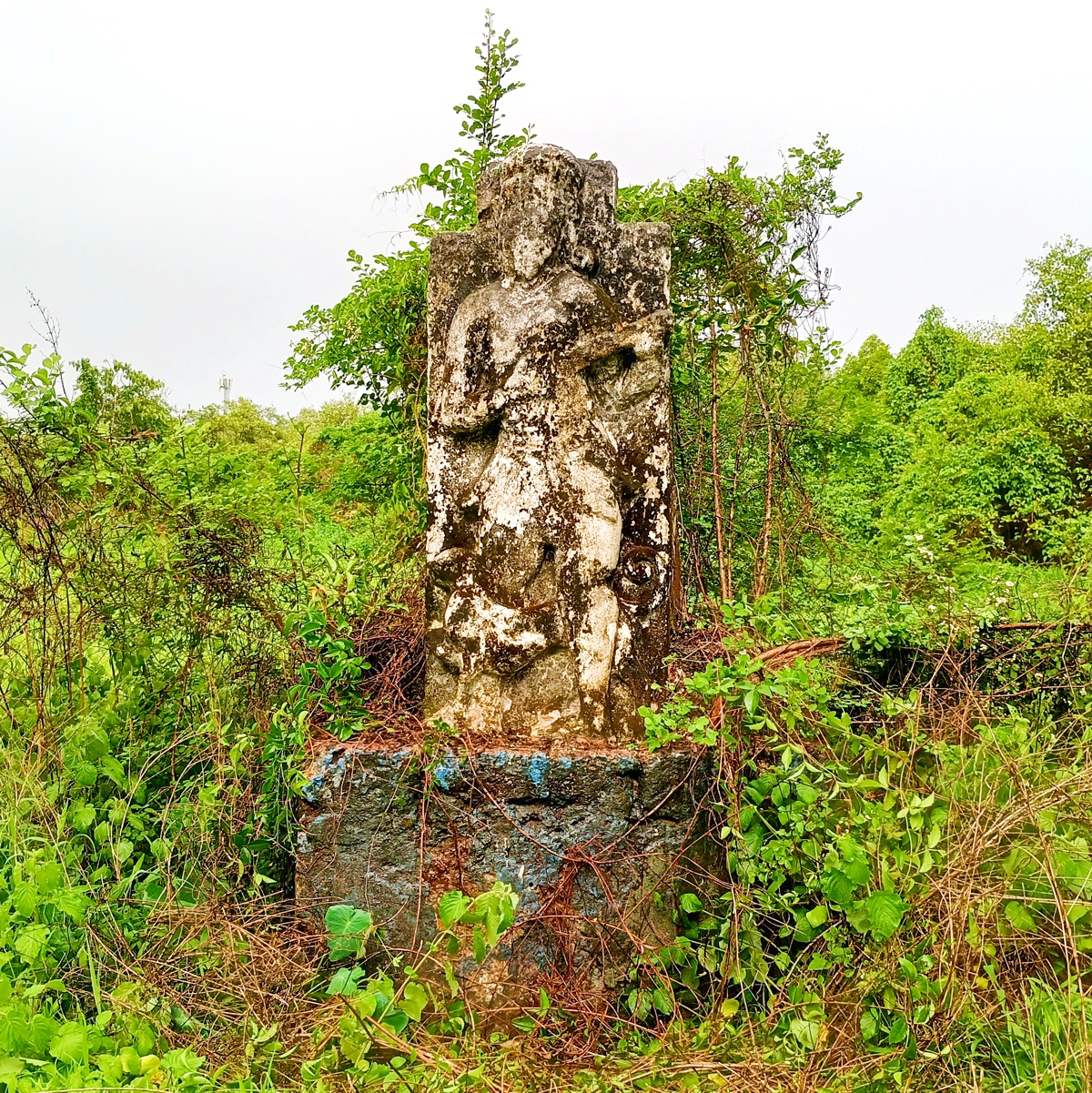
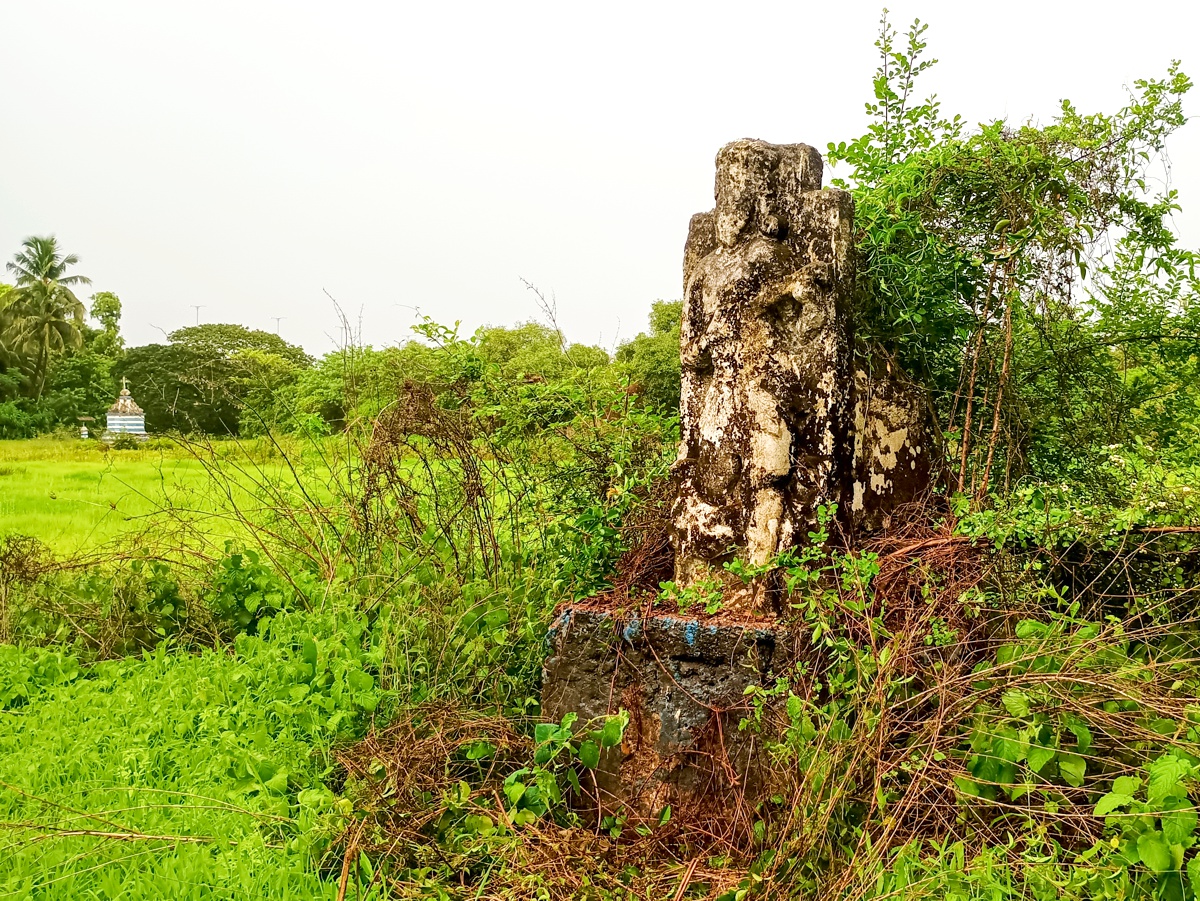
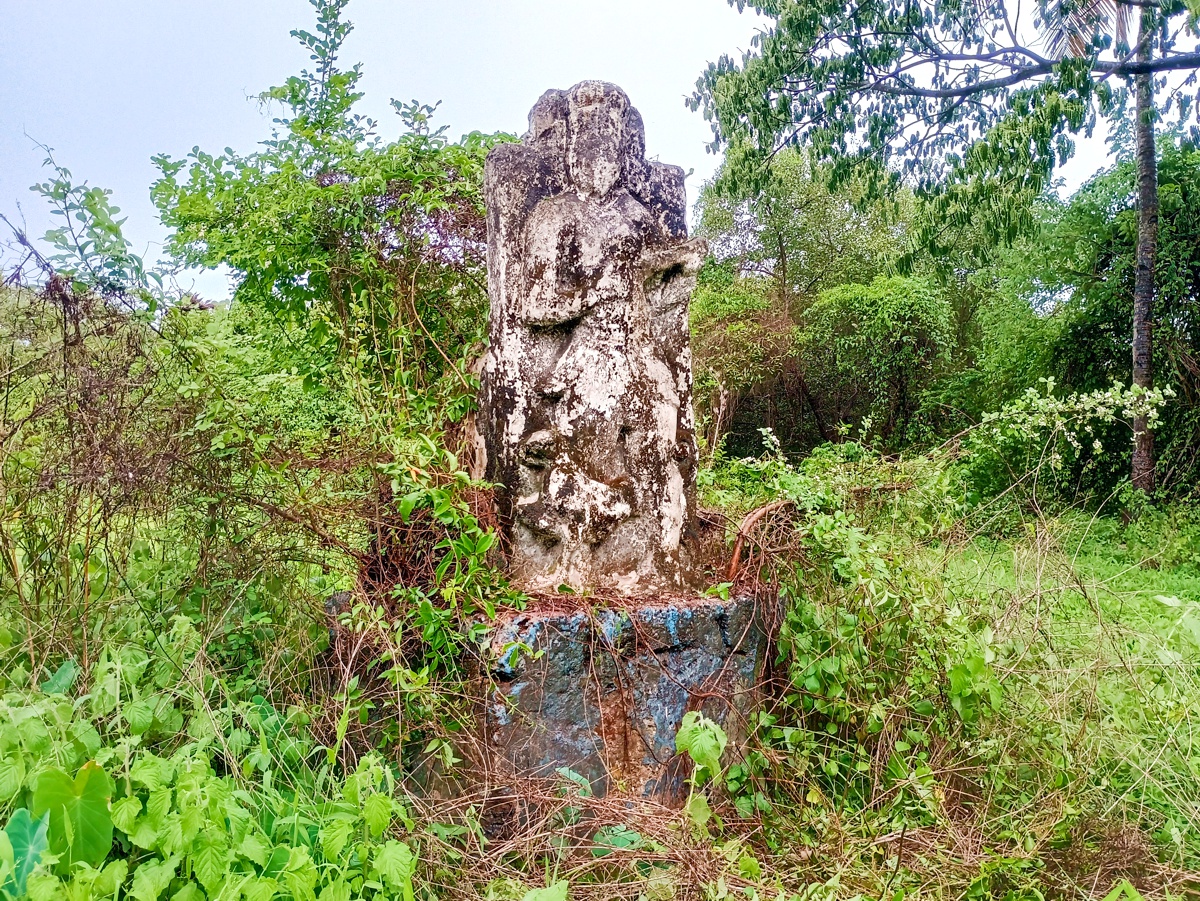
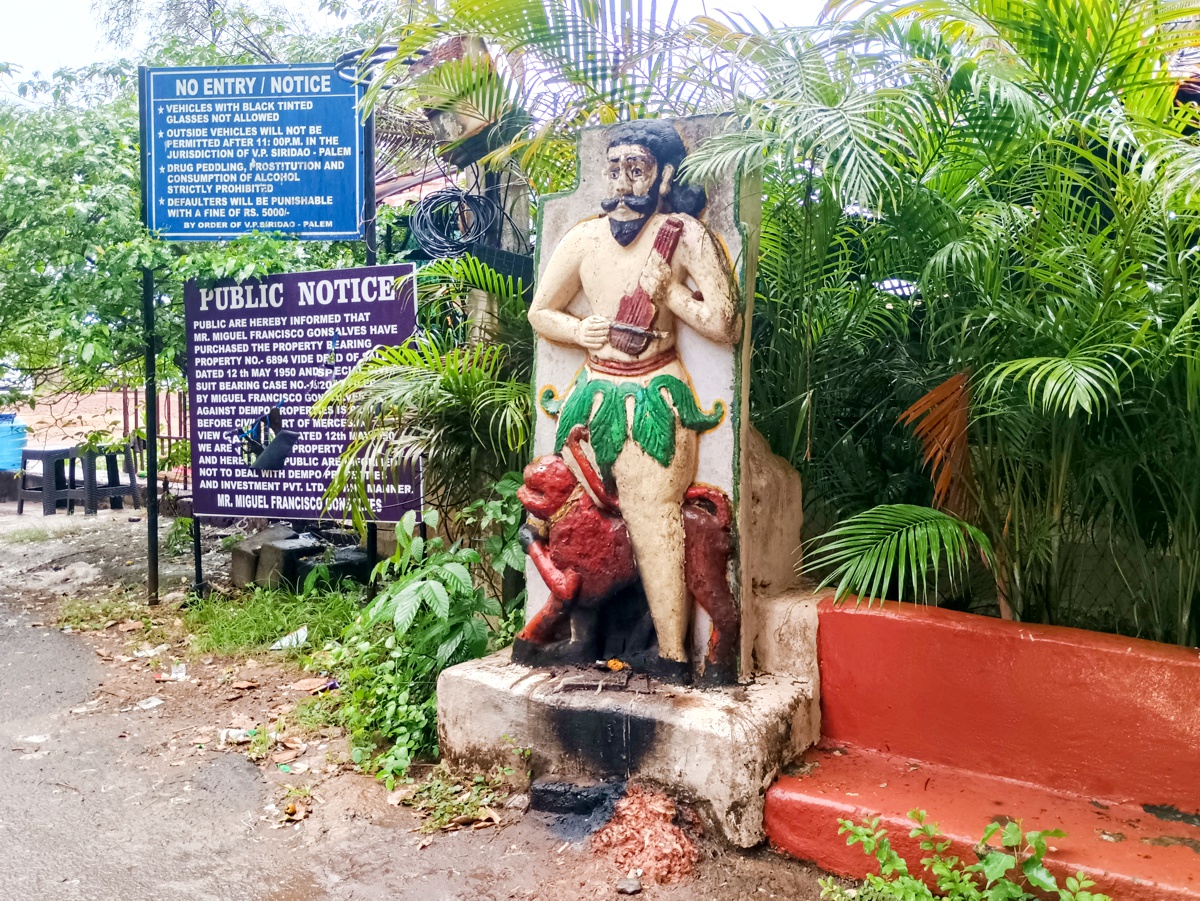
The second statue, standing near Sea Shell Restaurant, portrayed another bare-chested figure—this time playing what appeared to be a violin. The third, tucked away in an open area behind the Siridao Church, stood faded and forlorn, eternally strumming a stringed instrument.
Despite their differing instruments, all three statues share striking similarities: bearded faces, minimal clothing, and a curious companion—a small animal resembling a dog resting faithfully at their feet.
For generations, Siridao residents have referred to these figures as the “Paulists.” They have long fascinated locals and visitors alike, pulling anyone who stops into a captivating historical rabbit hole. Unlike Goa’s more familiar Portuguese-colonial religious sculptures or traditional Hindu shrines, these statues seem entirely unique, with no known parallels anywhere else in the state.
Separating Myth from History
With no concrete historical records or inscriptions to rely on, the origins of these vantage-point sculptures remain one of Siridao’s enduring mysteries. Instead, riders who explore these lanes are left with a rich, vibrant tapestry of oral folklore and conflicting academic theories.
The Folklore: Mountain-Moving Giants
- Local legend claims these statues commemorate a mythical race of humanlike giants who once inhabited this pocket of Goa. According to oral tradition, they traversed the landscape singing holy hymns, carrying mountains on their backs while playing musical instruments cradled at their hips.
- According to lore, these giants possessed incredible superhuman strength. A traditional song composed by a local musician for a tiatr (Goan musical theater) years ago captures the myth perfectly:
“Paulist xempddek bandun dongor oddun haddtale”
(The Paulists tied the hills to their tails and pulled them across…) - Another version of the story suggests that these giants used their tails to drag massive hills across the waters separating Chicalim and Siridao, with some believing they were even trying to drag St. Jacinto Island across the bay.
The History: Who Were the Real Paulists?
While folklore paints vivid images of mountain-moving giants, historians offer a more grounded explanation for the name.
- Between the 16th and 18th centuries, the Jesuits were among the most influential religious orders in Goa. Their principal institution was the renowned College of St. Paul in Old Goa, and the priests and students associated with it became widely known across the state as Paulistas, or Paulists.
- The Jesuits were highly respected for their organizational abilities, engineering expertise, and extensive landholdings. To local villagers observing the rapid, high-engineered construction of churches and colleges, these achievements may well have seemed almost superhuman. Over time, reality likely merged with imagination, transforming industrious scholars into mythical giants capable of moving mountains.
- Historical records also indicate that the College of St. Paul owned extensive properties in Siridao, here they would send their students to rest and recuperate.
The Iconography Debate: Guardians or Gods?
Because these statues bear no written inscriptions or dates, their exact purpose remains wide open to interpretation.
- The Student Memorial Theory: A highly practical theory suggests the villagers carved these statues in remembrance of the young, instrument-playing students from the College of St. Paul who stayed in Siridao during their holidays.
- The Colonial Influence Theory: Others point to the distinct lack of attire and the unique appearance of the musical instruments, suggesting a European or mixed colonial artistic style brought in by the religious orders.
- The Indigenous Guardian Theory: Conversely, some heritage enthusiasts note that the bare-chested figures and accompanying animals strongly resemble elements found in Hindu iconography, where deities are often associated with vahanas (animal vehicles). Another possibility is that these were simply vado (ward) guardians—protective boundary figures installed by early bhatkars (landowners) to watch over their property lines.
For now, the Paulists continue to guard their secrets.
See Them Before They Vanish
Whether they represent vacationing 17th-century students, ancient boundary guardians, or mythical giants who dragged hills across the Zuari River, these three silent, weathered musicians face an uncertain future. As relentless development and modern construction rapidly reshape Siridao, these statues are slowly being swallowed by overgrowth, modern fencing, and concrete.
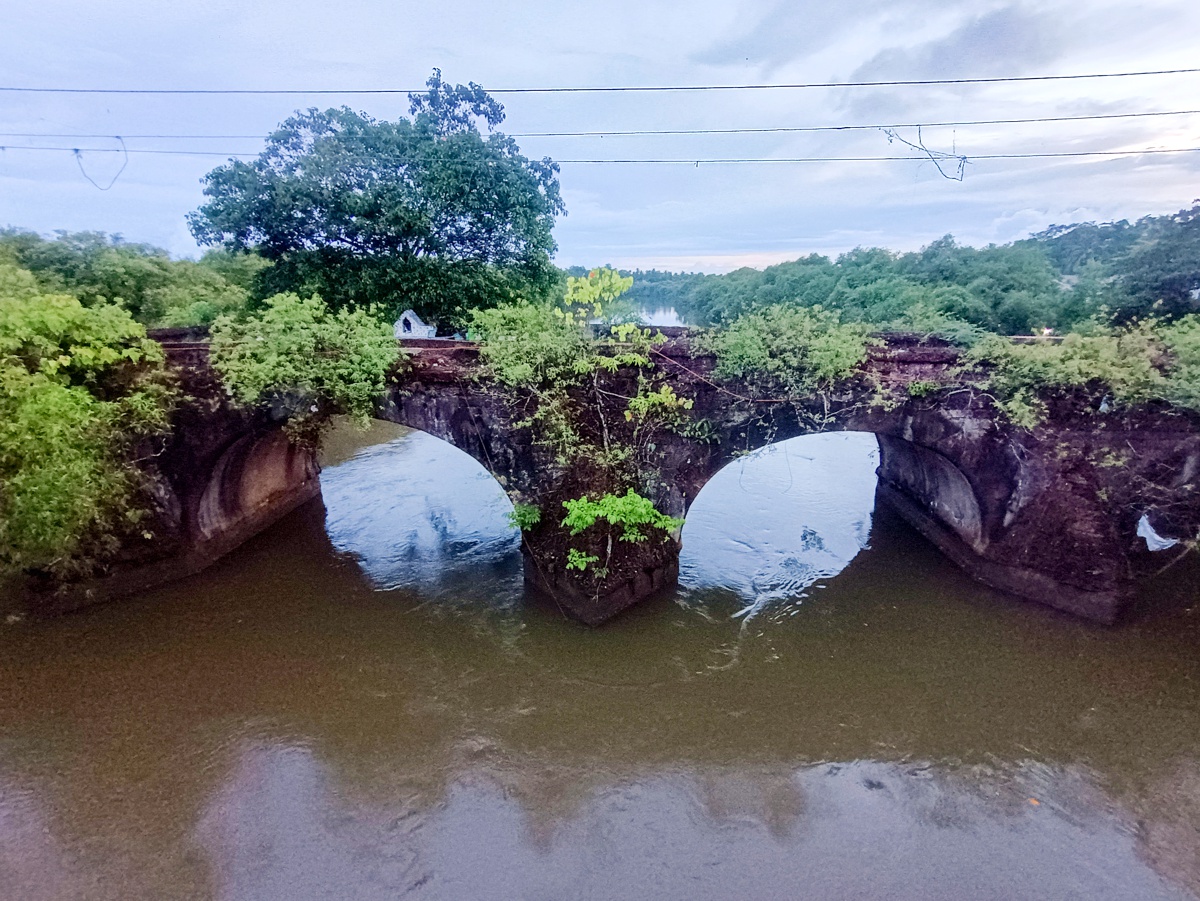
The next time you find yourself traveling along the NH66, consider taking a detour across Siridao’s old Portuguese-era stone bridge. Wander through the village lanes and seek out these mysterious musicians.
Like many of Goa’s lesser-known stories, they reward those willing to slow down, look closely, and listen carefully. Go check them out for yourself—before the incredible history and folklore they hold disappears entirely into the background of a changing landscape.
And really, there is no better vantage point to do that from than the saddle of a bicycle.
The Musicians Hunt
The Forgotten Strummer
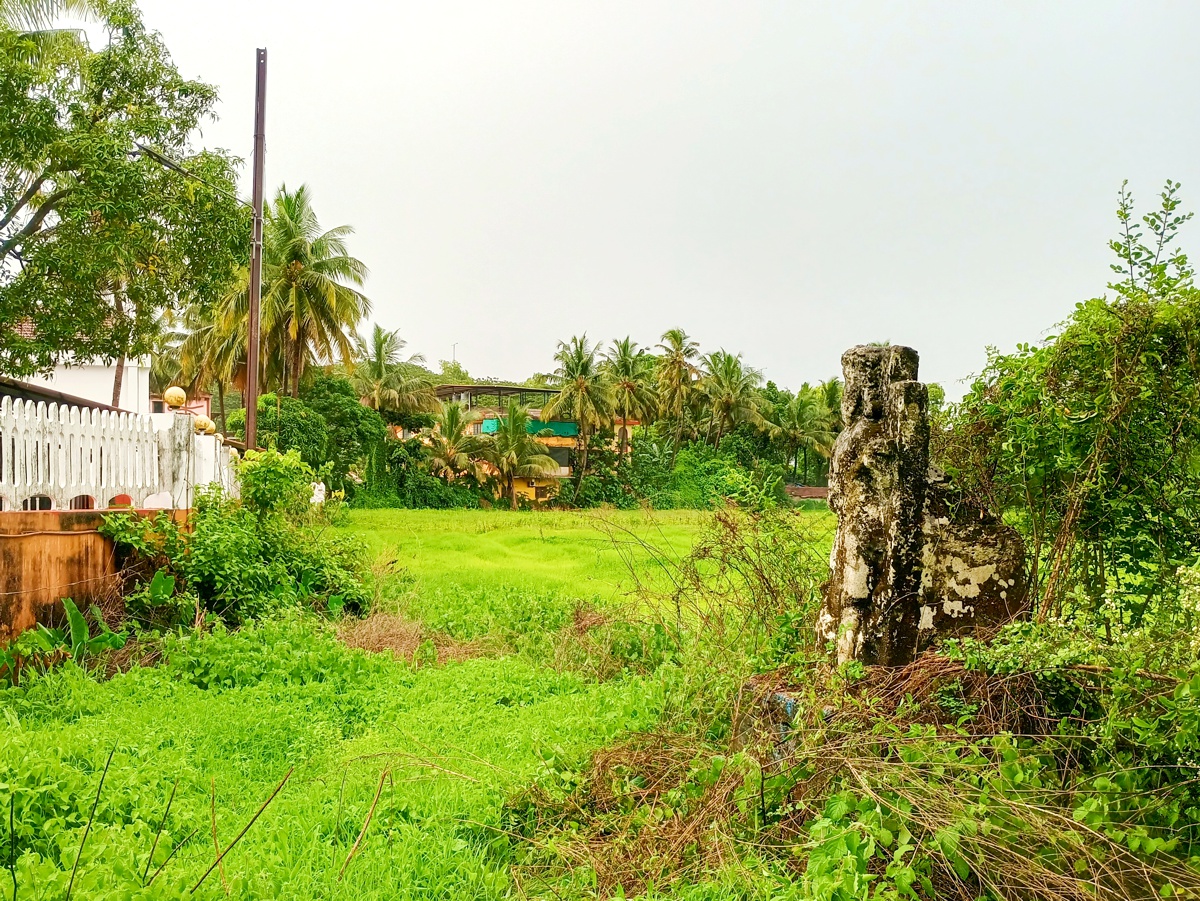
The most elusive of the three, this weathered statue stands quietly in an open area hidden by overgrown vegetation behind the Our Lady of the Rosary Church. You will need to dismount and follow the path behind the church hall to discover this faded musician.
https://maps.app.goo.gl/XwUiZG8vS5noTPdq7
The Violinist
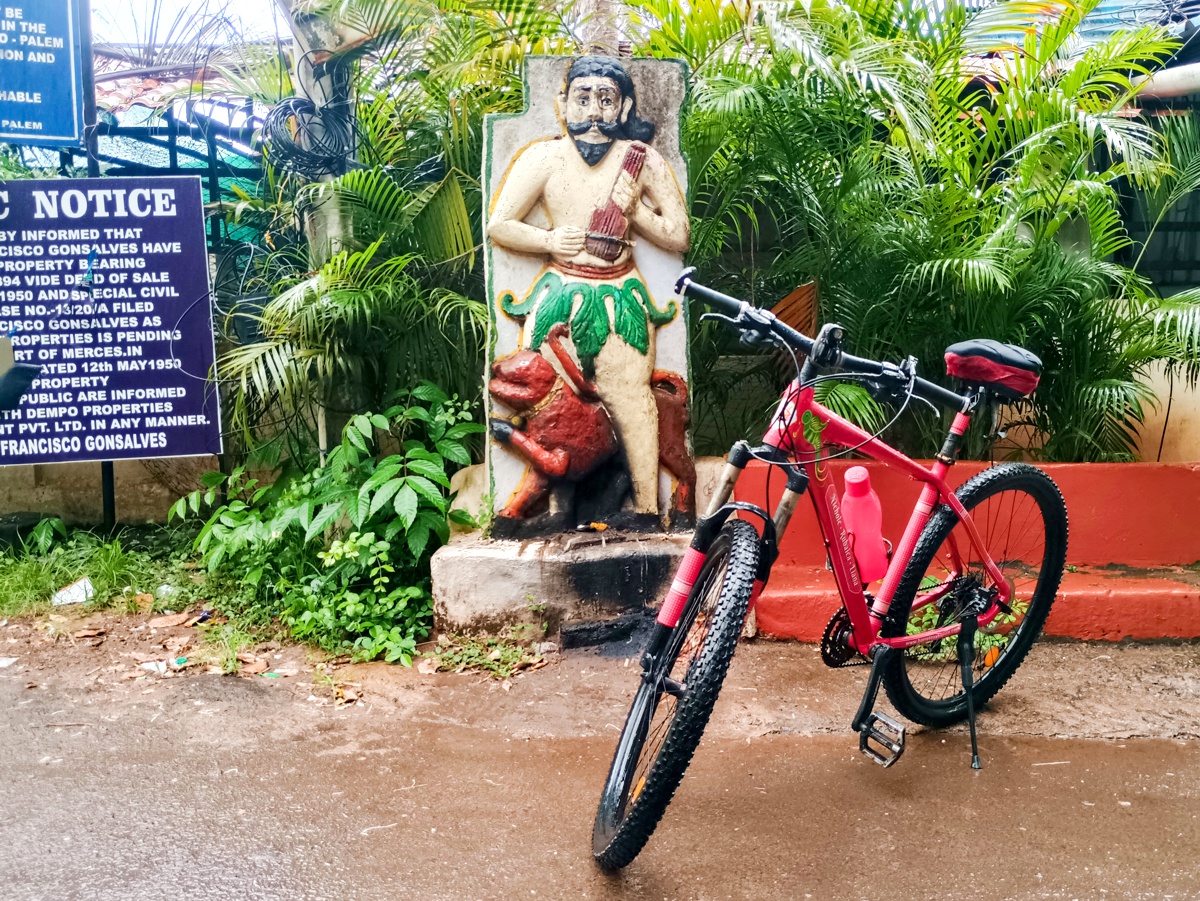
Take the road leading towards the Seashell restaurant and you will spot the statue at the end of the road. A small chapel stands to its left, with the restaurant next to it.
https://maps.app.goo.gl/t4MYQDhJrsR4XX456
The Flutist
This blue-painted figure is located along the road leading to chapel, about 150 metres from the Violinist.
https://maps.app.goo.gl/Btgn6bNbxuH4DmBX6

The Route
You can approach Siridao from either Panjim or Margao. The village combines coastal scenery, fascinating local folklore, and a quaint Chapel of Our Lady of the Annunciation perched atop a hillock. It can easily be incorporated into a leisurely cycling loop from Panjim via Bambolim or from Margao through Cortalim. Either route offers an excellent opportunity to explore one of Goa’s lesser-known heritage gems.